
Author: Gasimov Elchin

Everyone has moments in life when everything literally falls apart. There is not enough strength to get out of bed, and the emotional state is so bad that you do not want to do anything at all. Fatigue after a hard day at work or training, as well as in acute and chronic diseases is a signal for rest and treatment.
People with chronic fatigue syndrome: who are they?
After rest and successful treatment of the disease, the manifestations of fatigue gradually disappear or decrease, and the feeling of vigor returns.
But if fatigue becomes a constant companion of your life, and you cannot explain the reason for this condition, then most likely you have increased fatigue syndrome or psycho-emotional burnout syndrome
Chronic fatigue syndrome is difficult to diagnose.
People with chronic fatigue syndrome often face misunderstanding, since this condition is difficult to diagnose. Those who have not encountered this problem may consider patients malingerers or lazy.
Interesting fact: when examining patients with chronic fatigue syndrome, no changes were found in the blood test and other studies. But herpes and Epstein-Barr viruses are often detected. But there is no specific treatment for chronic fatigue syndrome.
The question arises: how healthy is such a person? It turns out that health can also be different, and it is determined by the state of the body's adaptation to negative effects of various kinds. There are people with high resistance to infections, temperature changes, stress and other factors. They easily tolerate diseases, while others get sick more seriously and cannot restore their ability to work for a longer time.
What to do?
First: get examined to exclude the presence of a specific disease.
Second: assess your condition. The manifestations of chronic fatigue syndrome can be different and are not always clearly traced, but several main ones are distinguished:
- a constant feeling of fatigue that does not disappear after rest for weeks and months;
- weakness, pain in muscles, joints;
- headache, memory loss, absent-mindedness, bad mood;
- insomnia at night and drowsiness during the day; sometimes fever, enlarged lymph nodes.
What does the strength of our health depend on?
The answer to this question is obvious. Look at the plants you grow or at your pets. Their growth, development and health depend on how you feed the animal, water and feed the plant.
A person is no exception to this rule. We are what we eat and our health depends on the quality of our food. Unfortunately, the potential of toxic substances in modern food products often prevails over the content of useful components and turns them into a factor of mass destruction. I just want to put a label on them: "caution - health hazard".
Simple rules for overcoming chronic fatigue syndrome and psycho-emotional burnout syndrome from Doctor of Medical Sciences, Professor Galina Anatolyevna Anokhina:
1. Set up a work, rest, sleep, and meal schedule.
2. Avoid processed industrial foods as much as possible, reduce the consumption of simple carbohydrates, sweets, sugary drinks, and juices. Increase the consumption of complete proteins: eggs, meat, fish, as well as vegetables, fresh fruits, and natural unrefined fats.
3. Change a job you don’t like.
4. Try to move. Physical inactivity is very harmful; during walking, dancing, swimming, and even simple daily short-term physical exercise, endorphins are synthesized in the muscles - substances that improve mood.
5. Remember, a healthy mind resides in a healthy body; for the full functioning of all organs and systems, the body must receive more than 600 components daily with food. Be sure to eliminate the deficiency of vitamins, minerals, and other nutrients by taking multinutrient complexes, but preferably of natural origin.
Обов’язково ліквідуйте дефіцит вітамінів, мінералів та інших харчових речовин вживаючи мультинутрієнтні комплекси, але бажано натурального походження.
These complexes include Relive Balance® - a multinutrient functional peptide complex of essential amino acids, peptides, vitamins, minerals, adaptogens, antioxidants, polyphenols obtained by fermentation and extraction (at a temperature of up to 40 degrees) contains 54 natural products of plant and animal origin. All components of Relive Balance® are in natural relationships, act synergistically, without harming the body.

In the first half of the 20th century, wars and revolutions exhausted the health of millions of people. By the 1950s, they learned to synthesize vitamins chemically and studied the role of individual vitamins and trace elements in detail. Countries with high economic development modernized agriculture and took a course to improve the health of the population. Instead, obesity, diabetes, and various chronic diseases related to poor nutrition continued to claim new victims.
Today, the Japanese are considered a long-lived nation, but 50 years ago, the average life expectancy in this country was 54 and 56 years for men and women, respectively. Terrific atomic explosions have reduced birth rates and increased mortality. Since the 1980s, the Japanese government has subsidized research into the need for macro- and micronutrients for sustainable human development. Thus, a program to preserve the health of the nation was created.
Choice for health
The global wellness trend and a conscious attitude to one's health stimulate people to adjust their diet. Maintaining physical and mental health is the highest value for the Japanese. 90% of modern Japanese take biologically active complexes. They constantly monitor the balance of the diet, and as a result, the life expectancy of the nation has increased to an average of 83 years.
75% of the US adult population uses nutrients to maintain overall health. Multivitamin complexes are the most popular food supplement. The US government controls nutrient labeling and quality standards. 43% of the population of Germany and 59% of the population of Denmark consume nutrients. Europeans are focusing on immunomodulators and probiotics that improve overall physical health.
Consumption of dietary supplements in various countries:
- Japan - 90%
- USA - 75%
- Denmark - 59%
- Germany - 43%
- Ukraine - 5-8%
Natural and geochemical conditions and poor nutrition affect the amount of micronutrient consumption by the population. If the diet can be made more balanced, it is impossible to influence the low content of microelements in soils of the country.
Iodine and selenium - world experience
Selenium is an important micronutrient necessary for the normal functioning of the thyroid gland. The World Health Organization recommends using a trace element in a daily rate of 50–70 mcg (micrograms). During pregnancy, the need for selenium increases to 250 mcg in order to ensure normal intrauterine development and protect the body from oxidative stress. In Europe, about 40 mcg of selenium is consumed per day, and in the USA, it is twice as much: 93 and 134 mcg for women and men, respectively.
World experience shows that the additional use of nutrients has a positive effect on the health of the nation. In the Chinese city of Qidong, 20000 people received selenium-enriched salt for 8 years. Dietary adjustments resulted in a 35% reduction in liver cancer.
Selenium is a synergist of iodine - with a deficiency of the former, the latter is not absorbed. According to the Ministry of Health of Ukraine, you and I consume from 40 to 80 mcg of iodine per day, which is below the norm. Today in Japan, where in the postwar year’s high levels of radiation provoked iodine deficiency in the population, daily consumption reaches 20,000 mcg. The main sources of the trace element are seafood and edible algae, typical dishes for the country.
Culture of nutrient consumption in Ukraine
In Ukraine, the culture of consumption of biologically active complexes is at a low level, and there are no government programs to enrich certain products with nutrients. In the past, the health of mankind has deteriorated due to long wars and malnutrition. Currently, the cause of illness and feeling of constant fatigue is mostly a busy schedule of life and consumption of empty calories. The products give a feeling of satiety, but do not saturate the cells with beneficial macro- and micronutrients.
Ukrainians are still skeptical about the use of nutrients. Only 5-8% of the population supplement the diet with biologically active complexes. The world example of economically developed countries shows that longevity and general physical and mental health directly depend on a balanced diet.

29,179 km... New Zealand, Australia, India, Southeast Asian countries, USA, Canada... A total of 23 countries in the world. And only after 123 days and 43 minutes. New Zealand schoolteacher Andrew Nicholson traveled around the world in 2015 and set a new world record. And he did it on a bicycle!
At that time, Andrew was 45 years old, and in his youth he competed three times for the New Zealand team at the Winter Olympics in the disciplines of short track speed skating and speed skating. According to the athlete, his Olympic past helped him set a record on a bicycle. “When I put my feet on the pedals, I go into full concentration mode and focus on what I'm doing.” Perhaps this was the recipe for such success, because Nicholson cycled about 237 km every day!
For such cycling marathons, special support groups are often hired to accompany the athletes throughout the journey in special vans. Such teams are usually responsible not only for preparing food, organizing a comfortable place to sleep and relax, they also provide psychological support, because each record-breaking journey is exhausting work both physically and mentally. Andrew Nicholson set his record without a professional team!
But he was not always alone. The New Zealander used Warm Showers, a non-profit organization for cyclists that provides free holiday destinations around the world. The members of the organization are also mostly cyclists - it’s a kind of club of interests, where everyone understands what long marathons are and how friendly support is needed. Currently, the organization has more than 160 thousand members in 161 countries. Nicholson contacted ahead of time through the Warm Showers website those who were able to provide him with a bed to sleep at one point or another along his route. Very often, the owners prepared food for him and gave him various goodies for the journey. Therefore, the entire journey of 123 days was not very costly.
After completing his journey around the world, Andrew admitted that it had been quite difficult. He was exhausted both mentally and physically. During the 123 days of the road, the New Zealander more than once thought that he was unable to finish as planned. But the thirst for everything new, the dream of a record and the strength of spirit forced him to go further and further. Nicholson said: “Yes, you are tired, yes, you can’t feel your legs from pain, but you can still get on your bike and ride. And don’t forget to just enjoy the moment.”

Ukraine annually imports such a quantity of sweeteners that is equivalent to about 300 thousand tons of sugar. The consumption of sweeteners has only increased in recent years. The use of sweeteners is explained by the fact that they are several times sweeter and cheaper than sugar. The cost of aspartame is 16-30 US dollars per kilogram and replaces up to 200 kg of sugar.
There are two types of sweeteners:
Natural sweeteners that are made from fruits, berries, honey and plants of natural origin. It should be remembered that the transformation of plants into a sweetener requires serious industrial processing, as a result of which the useful components of natural raw materials disappear.
These include:
- Fructose, which is sweeter than glucose, but less caloric and does not cause an increase in insulin levels in the blood. However, a significant part of fructose in the body turns into fat and its excessive consumption contributes to the development of fatty liver disease, pancreas, metabolic syndrome. It is especially undesirable to use products that instead of sugar containing 50% glucose and 50% fructose contain corn, maple and other syrups, the fructose content of these natural sugar substitutes can reach up to 80%.
- Sorbitol (raw materials are apples and apricots) and xylitol (raw materials are corn) are classified as polyhydric alcohol with a pleasant sweetish taste, it is an excellent choleretic agent, does not cause an increase in blood glucose, but its calorie content is 50% higher than ordinary sugar. In large quantities causes nausea, bloating, diarrhea.
- Erytrol (made from corn and tapioca). All of these natural sweeteners are sweet. The level of sweetness is 70% compared to the taste of sugar, characterized by low calorie content. According to experts, today it is one of the best sweeteners.
- Stevia: the most famous natural sweetener is made from the plant of the same name, the sweetness ratio of stevia is 25 times that of sugar, and it has a low calorie content. May cause gastrointestinal disturbances, convulsions.
Synthetic sweeteners: produced by chemical synthesis. It includes sweeteners such as aspartame, cyclamate, saccharin and others. It is difficult to call them safe sugar substitutes, since the regular use of synthetic sweeteners can provoke the development of kidney disease and malignant tumors due to their toxicity. In Ukraine, the following sweeteners are included in the list of permitted sweeteners: sorbitol and sorbitol syrup E 420, mannitol E 421, acesulfame K E 950, aspartame E 951, cyclamic acid and its sodium, potassium and calcium salts E 952, 3 sucralose E 955, steviol glycosides, stevia extracts E 960, maltitol and maltitol syrup E 965, lactitol E 966, xylitol E 967. Let us dwell on the characteristics of the main sweeteners.
- Saccharin E 954 is approved for use only in the production of confectionery and soft drinks. 100 times sweeter than sugar, has a metallic aftertaste, zero calories. It creates a feeling of hunger, has carcinogenic properties, and with prolonged use significantly reduces the protective properties of the body.
- Cyclamate E 952 - in the production of soft drinks and as a sweetener in combination with saccharin; with the addition of fruit fillers.
- Acesulfame KE 950 — in the production of soft drinks, desserts, ice cream, canned fruit and vegetables, jams, jellies, marmalades, confectionery, delicate bakery products, low-alcohol drinks, chewing gums, sauces, mustard, desserts based on sour milk, yogurts, kefir with the addition fruit fillers.
- Sucralose E 955 - relatively safe, which is made from sugar, 600 times sweeter than sugar. This sweetener is approved for children and pregnant women. Used in the production of flavored water-based soft drinks, including functional drinks, coffee, coffee substitutes, tea, herbal drinks and other grain-based hot drinks (except cocoa), edible ice, including sorbet and popsicles, dairy desserts (pudding, fruit or flavored yogurt), jams, jellies, reduced calorie marmalade, fruit desserts, including water-based fruit flavored desserts, fruit fillings for flour confectionery, cocoa mixtures (syrups) and cocoa masses, flavored alcoholic and low-alcohol drinks, confectionery, including caramel and soft candies, nougat, dietary supplements, as a sweetener for the table.
- Aspartame E 951: the most famous artificial sweetener, 200 times sweeter than sugar. prohibited for use by people with phenylketonuria. It is used in the production of soft drinks, dairy-based desserts, yoghurts, kefirs with the addition of fruit fillers. Contains aspartic acid, phenylalanine and methyl alcohol (we remind you that the use of this alcohol leads to loss of vision). Usually the dose of methyl alcohol is minimal, but this in no way decorates this sweetener. Aspartame is unstable at high temperatures and decomposes to formaldehyde.
(WHO) advised that non-sugar sweeteners should not be used as a means to control weight or reduce the risk of non-communicable diseases such as diabetes and heart disease. There is no research to show that the use of sweeteners does not provide any long-term benefit for reducing body fat in adults or children. Despite the widespread use of sweeteners of various origins, the number of patients with diabetes is growing every year. The search for the perfect sweetener continues.
Why does man never create the perfect sweetener? The human body is hard to fool. The problem is in physiology. From the first seconds of birth, the child already has well-developed tongue receptors and they react especially positively to sweet tastes. The brain needs glucose, not fructose or aspartame or stevia. From the tongue, he receives a signal that glucose will enter the body. The brain gives a signal to the pancreas to prepare for the intake of glucose and the synthesis of insulin begins, but there is no glucose. Then another mechanism is triggered - this is the synthesis of glucose from amino acids in the liver, the result of this process is muscle weakness, headache, and often the whole story ends with overeating.

I'm 60. And this is my previous 3 months. A challenge I was able to take on thanks to Relive Balance.
February 28: left Odessa. 2 days and 2200 kilometers behind the wheel and I’m in Bremen - my first destination. I spent two days here to see my family and prepare for my next trip.
March 3: from Bremen to Hamburg only 160 km. 2 hours behind the wheel and I'm at the airport to catch a plane to Tenerife. 3 hours on the plane and from the cold German spring I find myself in the eternal summer of the Canary Islands.
March 4-11: week on board the catamaran Lucia 40 "Aquila". The Atlantic Ocean and the picturesque landscapes of La Palma, La Gomera and, of course, Tenerife. And 8 people who learned to sail a catamaran under my leadership.
March 11: goodbye Tenerife! Again, the plane, again Hamburg and Bremen. Two days of rest and again 2200 km behind the wheel. Now to Odessa.
March 29: a new round of travel – Greece! 1650 km by car from Odessa to Lefkada, where an atmosphere of carefreeness and Mediterranean beauty reigns.
April 4: flight Corfu - Dusseldorf - Tenerife. A difficult flight, more than a day on the road and I’m back in the Canary Islands, ready for new sea discoveries.
April 6: catamaran Lucia 40 "Aquila" is ready to sail across the Atlantic Ocean. Ahead are 20 days on board, 1400 nautical miles, no more than 3 hours of sleep in a row and weather ranging from stormy to completely calm. Madeira – Gibraltar – Marbella – Cartagena – Ibiza – this was our route.
Madeira is a wonderful highlight on our route. Three days on the island allowed me to fall in love with it, and I was left with the desire to definitely return and explore in detail this island in eternal spring with its waterfalls, irrigation canals, black sand beaches and many other attractions. The rum factory is another attraction on our way. We saw how this excellent drink is made, the favorite drink of all sailors.
April 26: Finally, Ibiza!
Behind us were long miles of stormy headwinds, continuous blows of high waves on the hull of the catamaran, a torn main halyard, an attack by killer whales on the approach to Gibraltar, one rudder blade torn off and a damaged second, the decision to continue on to Ibiza with virtually no steering. Passing the Strait of Gibraltar and the legendary Rock of Gibraltar...
And there is a whole night in Ibiza to relax and prepare for a new week on board and meeting the new crew.
April 27 - May 4: Lagoon 40 "Eskimo" - my faithful companion on a hike around Ibiza and Formentera. After the ocean crossing, I was looking forward to a week of wonderful, sunny, warm holiday, but stormy winds, rain and cold followed me to Ibiza. The first two days were harsh, but then the warmth and sun, incredible landscapes, azure water, unity with nature - these impressions will forever remain in my memory.
May 4: flight again. Again, from the hot Spanish summer to the cold German spring. Ibiza-Palma-Hamburg-Bremen. Planes and trains take me back to Germany. Five whole days to rest, and then hit the road again! Sardinia is waiting!
May 11: Bremen – Hamburg – Olbia (Sardinia).
May 11-18 – new crew, new catamaran Lagoon 42 "Agave" and a new week at sea. The secluded bays of Sardinia, rocky islands, lush green hills, azure coves and snow-white beaches of the La Maddalena archipelago, and the unique Corsica, with the city at the “end of the world” - Bonifacio, rising on a limestone cliff in the south of Corsica, in the very south of Corsica.
May 18: Today is a difficult day. I say goodbye to the crew and Sardinia. Flight Olbia – Rome – Catania. Bus Catania - Messina, train from Messina to Capo d'Orlando, where another catamaran is waiting for me. At 16:00 I am already meeting the new crew with whom we will be exploring the Aeolian Islands next week.
May 18-25: Lagoon 42 Capovento II - my home for 7 days. Lipari, Salina, Stromboli, Vulcano - these volcanic islands captivated me with their rugged beauty. The strong warm Sirocco wind, originating in the deserts of North Africa, the night passage around the island of Stromboli under the full Moon and the fiery flows of Stromboli lava, sulfur emissions in the Vulcano caldera are vivid memories this week.
May 25-26: and back to Catania, and then by plane Catania - Tirana - Athens. Bus Athens – Lefkada. I am greeted by Greece, my car and five whole days of relaxation on the warm Ionian Sea.
May 30: Lefkada – Albania – Montenegro – Split (Croatia). 900 km behind the wheel and I’m in Croatia. We are preparing a flotilla of 4 yachts.
June 1-7: Split – Zlarin – Skradin – Sibenik – Rogoznica – Trogir – Split. This is the route of our flotilla. 4 yachts, 4 captains, 28 people. Education, relaxation, sea and sun.
And deja vu)) - again two days of rain and strong winds. Showers of such intensity that another yacht from our flotilla is no longer visible 100 meters away, and a thunderstorm with lightning in the immediate vicinity of us... And thunder, which evokes feelings, are understandable only to those who have experienced more than one missile attack in Ukraine. In your head you understand that it’s thunder, but still the tree is shaking in convulsions...
June 8: Split – Odessa. Farewell to the Adriatic Sea, or rather to new meetings in the fall! 2000 kilometers by car, and I’m home again, in my native Odessa. This is where I will stay for the next three weeks.
This is just a short summary of my journey. Relive Balance gave me the opportunity to see the world in all its beauty, gave me the strength to test myself and gain unforgettable impressions and true friends.
The most vivid impressions of my trip were the People - the people who were in my crews, who changed every week, and with their diversity of characters, they were all wonderful People, and I am grateful to fate that brought me together with all of them. And I am sure that with most of them we will walk together more than one mile across the seas and oceans.
I am grateful for this journey and look forward to new adventures!

Usually, the key function of any bridge is quite utilitarian - connecting two banks or two gorges, any two objects. But a person cannot do without romance and extreme sports - therefore, you can do anything on bridges: take unsurpassed panoramic photos, jump from a bungee, arrange races or even get married :) In recent years, glass bridges have become very popular all over the world. There are such structures in Austria, Croatia, the USA, Canada, France, Hong Kong, other countries and even in Kiev :) But China has become a real "glass" leader, such bridges were built in different provinces of the country, and within 5 years it was in China. already broken 3 world records for the longest glass bridge on the planet. And their key function is not at all utilitarian, but emotional, because extreme sports and adrenaline are definitely guaranteed to you!
Striking, shocking, phantasmagoric - this is how the location for the blockbuster "Avatar" should be. And it was found in the Chinese province of Hunan, in the Zhangjiajie National Park. Unearthly landscapes, luxurious landscapes, mountains, tropical forest, labyrinths of caves, the power of waterfalls and huge pillars of sandstone. It was here that a glass bridge was built in 2016, which at that time was considered the longest in the world - 430 meters. And to add adrenaline to yourself, imagine that you are moving on a completely transparent glass at an altitude of 300 meters above the canyon! If you want even more extreme sports, try a swing over an abyss or bungee jumping into the abyss, because the Zhangjiajie glass bridge is one of the highest points on the planet for such jumps.
And if the spirit of adventurism calls you further, go for a bright adventure to Tianmen Mountain, located just 85 km from the Zhangjiajie glass bridge. Be sure to use one of the longest high-altitude cable cars in the world, choose one of the 98 carriages and enjoy about 7.5 km through the picturesque landscapes.
What about glass adrenaline? Don't worry - it's here :) A trail for tourists has been built around Tianmen Mountain, it winds around the rocks at an altitude of about 1400 meters. Walking over the abyss will take you up to 2 hours, because the total length is 1.6 km. Well, for true connoisseurs of adrenaline, in three places the path is made of transparent glass, and its width is not more than 1.6 meters, and all this is on the edge of a sheer cliff. So, hold on tight to the mountain while enjoying the abyss under your feet, because it really is a walk in the sky!

Aglistening roast turkey. Rounds of golden, roast potatoes and parsnips. Pigs in blankets (because what meat-based meal is not improved by a side of sausages wrapped in bacon?). Brussels sprouts. Bread sauce. Cranberry sauce. Gravy. And, to finish, brandy-sodden pudding topped with butter.
Countries vary in their Christmas-meal traditions. Poles prefer fish, often carp. A Swedish julbord groans with variety, though herring will never be far off. But the repast served at most British tables on December 25th is iconic, and has been (with goose sometimes standing in for turkey) since the time of the Victorians.
A good meal has a positive impact on one’s mood. Part of that pleasure is immediate. Those who avoid overindulgence and family squabbles will enjoy a postprandial rise in their blood sugar. That will prompt a flood of endorphins—chemicals that act as happy hormones—to rush through their brains.
But the pleasure goes deeper. Animal proteins, such as roast fowl, hams or fish, contain all the amino acids that the body needs including many it cannot make for itself. Tyrosine and tryptophan are needed for the production, respectively, of dopamine, a neurotransmitter that controls feelings of pleasure and reward, and serotonin, another such, which helps regulate mood. Brussels sprouts contain folate, a vitamin without which the brain cannot function properly. And cranberries are high in vitamin C, which is involved, among other things, in converting dopamine to noradrenaline, another neurotransmitter, and a lack of which seems to be associated with depression.
With mental-health disorders rising, a growing number of scientists are investigating how food or nutritional supplements affect the mind. Brains, being the most complex and energy-demanding of the body’s organs, almost certainly have their own specialised, nutritional needs. Welcome, then, to the emerging field of nutritional psychiatry.
An adult human brain, which accounts for about 2% of a body’s mass, uses 20% of its metabolic energy. A host of vitamins and minerals are necessary to keep it going. Even in one small section of the brain’s metabolic pathways, many essential nutrients are needed. The conversion of tryptophan to serotonin alone requires vitamin B6, iron, phosphorus and calcium.
Disentangling the brain’s nutritional needs from those of the rest of the body is tricky. Recommended daily allowances (rdas) are little help. They were formulated during the second world war on the basis of the nutrients needed for the physical health of troops. No such rdas exist for the brain. Not yet, at least.
Compared with other fields, nutritional science is understudied. That is partly because it is hard to do well. Randomised controlled trials (rcts), used to test drugs, are tricky. Few people want to stick to an experimental diet for years. Instead, most nutritional science is based on observational studies that try to establish associations between particular foods or nutrients and diseases. They cannot be used to definitively prove a causal connection between a disease and a particular contributing factor in a diet. But as with smoking and lung cancer, put together enough of these kinds of trials and causal narratives begin to emerge.
It is now clear that some diets are particularly good for the brain. One recent study concludes that sticking to the “Mediterranean diet”, high in vegetables, fruit, pulses and wholegrains, low in red and processed meats and saturated fats, decreases the chances of experiencing strokes, cognitive impairment and depression. Other recent work looking at a “green” Mediterranean diet high in polyphenols (the antioxidants found in things like green tea) found it reduced age-related brain atrophy. Another version, the mind diet, emphasises, among other things, eating berries over other kinds of fruit and seems to lessen the risk of dementia.
Only 10% of adults in America consume their recommended daily serving of vegetables
Scientists think such diets may work by reducing inflammation in the brain. This, in turn, may affect areas such as the hippocampus, which is associated with learning, memory and mood regulation—and where new neurons grow in adults. Studies in animals show that when they are fed a diet rich in omega-3 fatty acids (from walnuts, for example), flavonoids (consumed mainly via tea and wine), antioxidants (found in berries) and resveratrol (found in red grapes), neuron growth is stimulated and inflammatory processes are reduced. This fits with research suggesting that those who regularly eat ultra-processed, fried and sugary foods, which increase inflammation in the brain, heighten their risk of developing depression.
The hanger games
That Christmas feast is often lambasted as an orgy of gluttony. In fact, with its sides of multiple vegetables, its nutritional density may make it among the healthier meals some people eat throughout the year. Only 10% of adults in America consume their recommended daily serving of vegetables, and just 12% get enough fruit. It is a similar story in much of the world. As a result, many turn to vitamin and mineral supplements to make up for their dietary deficiencies.
In 2018, 54% of North Americans and 43% of Asians were taking a nutritional supplement. The most common types are multivitamins, vitamin D and omega-3 fatty acids. America spends the most on dietary supplements, followed by western Europe and Japan. One estimate put the global market at $152bn in 2021, with 9% annual growth expected until 2030. But in many places the regulation of the supplement industry is either weak or non-existent and little rigorous research has been carried out on either their benefits or risks.
The story of nutritional supplements starts in 1912 when Casimir Funk, a Polish-American biochemist, proposed that unidentified organic substances were required in tiny amounts to maintain human health. It was a revolutionary idea. And he was correct. Along with macronutrients such as protein and carbohydrates, there were undiscovered components of foods—micronutrients. The first vitamin to be isolated and then synthesised in 1936 was thiamine or B1. Deficiency causes beriberi, a disease that can affect both the cardiovascular and the central nervous systems. The discovery prompted a race to isolate, characterise and manufacture vitamins and ultimately launched the supplement industry.
Half a century after Funk’s discovery, the notion that nutrients might be able to treat mental illnesses took hold. Abram Hoffer, a Canadian psychiatrist, tried treating schizophrenics with high doses of vitamins B3. Then in 1968 Linus Pauling, a Nobel-prize-winning chemist, coined the term “orthomolecular psychiatry” to describe the theory that varying the concentration of substances normally present in the body could treat mental disease. But there was little evidence to support their claims and in 1973 the American Psychiatric Association released a report dismissing orthomolecular psychiatry, highlighting the lack of controlled experiments and concluding that large doses of B3 were “useless and not without hazard”.
The absence of any large-scale, serious studies in the field of nutritional psychiatry left an opening for those keen to promote the potential of supplements far beyond any existing science. Autumn Stringam is one such case. After her first baby was born in 1992 Ms Stringam, a Canadian, was admitted to a psychiatric ward with severe post-partum psychosis. Her family had a history of mental illness, including bipolar disorder, psychosis, depression and suicide. Her prognosis was grim. But then her father, together with a friend working in the animal-feed business, developed a supplement containing a range of vitamins and minerals that they claimed were based on supplements that reduced anxiety and stress in pigs. Ms Stringam credited the supplements with her recovery. Her story spread and the family started selling the pills widely.
There were, however, no trials proving efficacy or safety. The suggestion that the supplements were a cure-all led one schizophrenic to abandon his prescribed medication. He subsequently murdered his father and seriously injured his mother. In 2003 the Canadian drug regulator, concerned about the use of untested supplements for serious mental-health disorders, seized the pills. The episode cemented the idea in many minds that using micronutrients to treat mental-health conditions was pure quackery.
And yet today much science does support the idea that there is a strong link between what people eat and their mental health. Studies have shown that b12 shortages cause depression and poor memory and are associated with mania and psychosis. Low levels of vitamin D are associated with increased risks of dementia and stroke, and are implicated in neurodevelopmental disorders. A recent rct found that high doses of B6—100mg per day rather than the rda of 1.3mg—reduces anxiety. In a study by Robert Przybelski of the University of Wisconsin of geriatric patients attending a memory clinic, 40% were deficient in one vitamin (of five that were looked for), and 20% in two.

45-year-old IT entrepreneur Brian Johnson spends $2 million per hour on the work of a team of doctors to look and feel 18 years old. His story is told by Bloomberg.
Brian Johnson pays for the work of a team of more than 30 doctors and health experts who monitor his physiology. The team of doctors is headed by regenerative medicine specialist Olivier Zolman, and its goal is to stop (or even reverse) the aging processes in each of his organs.
Zolman and Johnson study the scientific literature on aging and longevity. In fact, Johnson is a "guinea pig" for them to study the most promising treatment schemes.
The entrepreneur spent several million dollars just to start this program. In particular, for the installation of medical equipment at home.
This year, the entrepreneur plans to spend $2 million on treatment. He wants his brain, heart, lungs, liver, kidneys, teeth, skin, hair, penis and other organs to function like an 18-year-old man.
Johnson's anti-aging project is called Project Blueprint.
Ego conditions include:
• strict dietary restrictions (1977 "vegan" calories per day)
• sports loads (time per day, intensive training three times a week)
• sleep (at the same time every night, after wearing glasses that block blue light for two hours).
Johnson and his doctors constantly monitor the body's indicators, carry out a number of medical procedures (some of them quite unpleasant), including ultrasound examinations, colonoscopy, MRI, blood analysis. And according to the doctors involved in this, Johnson's body began to "rejuvenate" from a medical point of view.
There are certain signs that Johnson is at least healthier than his peers. The percentage of fat in his body is 5-6%, the condition of his heart is estimated at 37 years old, skin - at 28 years old, lung efficiency and general physical shape - at 18 years old.
However, Zolman, who heads his team of doctors, speaks rather restrainedly: according to him, it was not possible to achieve "significant" results yet, but it was possible to obtain moderate expected results.
When he was 30, Johnson founded his company, Braintree Payment Solutions LLC. She became very successful, but long working hours and stress led to the fact that the entrepreneur began to become obese and became depressed, bordering on suicidal thoughts. He sold the business to eBay in 2013 for $800 million in cash and has since become interested in biotech and ways to overcome aging.
Zolman, who heads the businessman's team of doctors, founded his own anti-aging company in 2021 - 20one Consulting Ltd. His goal is to prove with the help of biostatistics that it is possible to reduce the aging of 78 organs of the human body by 25% by 2030. His services can cost about $1,000 per hour, including, in addition to diet and exercise recommendations, a bunch of tests, therapy, and devices. If the patient does not improve, he is not charged for services.
Johnson is one of his most loyal patients. His day is different from how most people live their lives. The morning begins at 5:00 a.m., when Johnson takes dozens of medications and nutritional supplements. Lycopene for artery and skin health, metformin for intestinal polyp prevention, turmeric, black pepper and ginger root for liver enzymes and inflammation control, zinc to complement his vegan diet and microdose lithium for brain health.
This is followed by a timed workout consisting of 25 different exercises, and a juice with creatine, flavanols, collagen and other goodies. During the day, the entrepreneur consumes food according to recipes that change according to the results of his latest medical tests. He brushes his teeth with paste and floss, rinses his mouth with tea tree oil and applies an antioxidant gel to his gums.
Johnson daily measures weight, body mass index and fat content, temperature, blood sugar, heart rate variations. He has already taken more than 33,537 pictures of his intestines and measured the thickness of his carotid artery. He irradiates his pelvic floor to improve muscle tone and uses a device that measures the amount of his nocturnal erections. To restore the skin, he uses several day creams, performs laser therapy and acid peeling and does not go out in the sun. True, the businessman refused several popular antiaging methods, in particular, ice baths and high doses of testosterone.
The entrepreneur also carries out cosmetic procedures that regulate the content and location of fat on the face, dyes hair.
Although Johnson is not yet discussing it, he is going to undergo several much more experimental procedures, including gene therapy, according to several of his doctors and advisers. Good or bad, but he devotes his body to science in the hope of proving that longevity is possible for all of us.
"That's the beauty," he says. "This is a new frontier."

About a third of adults aged 51 and older experience fatigue. Medication use, sleep problems, poor diet and alcohol consumption all have a negative effect on the body. However, for a healthy life, it is very important to stay physically active as you age.
How to be active at any age and get less tired
Everyone feels tired sometimes and that's okay.However, sometimes fatigue can be the first sign that something is wrong in your body.
Many health problems and treatments can make fatigue worse. These include:
- Taking certain medications, such as antidepressants, antihistamines, and medicines for nausea and pain.
- Undergoing medical procedures such as chemotherapy and radiation or recovery from surgery.
- Infections.
- Chronic diseases such as diabetes, heart disease, kidney disease, liver disease, thyroid disease, etc.
- Anemia.
- Sleep apnea and other sleep disorders.
Eliminating a health problem can cause fatigue to disappear.
Take care of your emotions
Ви турбуєтесь про своє здоров’я і хвилюєтесь, що про вас ніхто не піклуватиметься? Ви боїтесь, що більше не потрібні? Такі емоційні стреси можуть вплинути на вашу енергію. Які емоції негативно впливають на спосіб життя:
- Anxiety,
- depression,
- Grief at the loss of family or friends,
- Stress from financial or personal problems,
- Feeling that you no longer have control over your life.
Therefore, it is worth working through your emotions so that you do not once again waste your energy on thinking about it. Sometimes you need to turn to specialists.
Get some sleep.
Note that insufficient sleep can contribute to fatigue. Regular exercise can improve your sleep and reduce feelings of depression and stress, as well as improve your mood and overall well-being.
Take care of your habits
Some lifestyle habits can make you feel tired. Here are a few things that can drain your energy:
- Staying too late.
- Consume a lot of caffeine and alcohol.
- Eating unhealthy food.
- Too little exercise.
What is known about boredom?
Boredom can lead to feeling tired. For example, if you were very busy during your work years, you may feel uncomfortable after you retire.
When you wake up in the morning, you may see long days stretching out before you without any planning. It shouldn't be like this. Engaging in social and productive work can help you stay active and improve your lifestyle.
How can you feel more active?
Some changes in your lifestyle can make you feel less tired. Here are some practical tips:
- Keep a diary where you can write down how you feel every day, especially in regards to being tired. This will help you find patterns during the day when you are more or less tired.
- Exercise regularly. Almost anyone at any age can engage in some form of physical activity. Moderate exercise can improve your appetite, energy, and outlook.
- Try to avoid long sleep (more than 30 minutes) during the day. It can make it difficult to fall asleep at night.
- Eat right. Choose nutritious foods to get the energy you need to do what you love.
- Do not smoke. Smoking is associated with many diseases and disorders that negatively affect your energy.
- Ask for help if you feel overwhelmed. Collaborating with others can help make work go faster and be more fun.
- Eliminate deficiency of vitamins, minerals and other nutrients, using multinutrient complexes, but preferably of natural origin.
One of these complexes is Relive Balance - a multi-nutrient functional peptide complex of essential amino acids, peptides, vitamins, minerals, adaptogens, antioxidants, polyphenols obtained by fermentation and extraction (at temperatures up to 40 degrees), contains 54 natural plant and animal products. All components of Relive Balance are in natural relationships, act synergistically, without causing harm to the body.
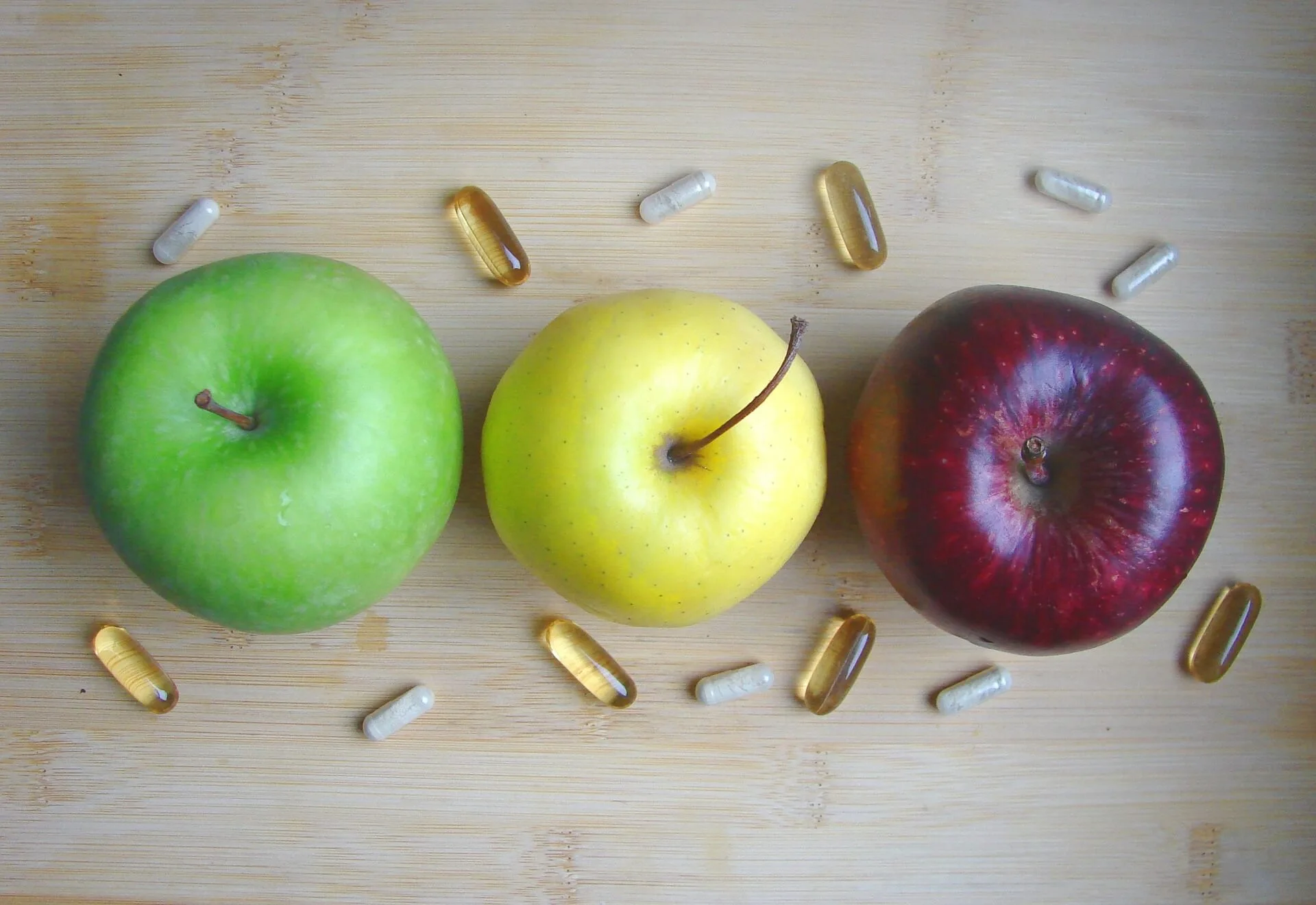
Chronic fatigue, drowsiness, soreness and flabbiness - your old acquaintances? Maybe you are worried about crunch in the joints, brittle hair and nails, periodic headaches? Well, we've got some good news and bad news for you. Bad news: most likely your body is deficient in nutrients. Good news: this can be corrected by adjusting the diet.
What are nutrients? These are the nourishment our body needs to function properly. To maintain optimal health, which will support maximum quality and longevity, we must eat a balanced diet. That is, everyone should get all the necessary nutrients in the proper amount. It is the lack of nutrients that leads to a disturbance of normal metabolism, deteriorating health and, ultimately, to the development of various diseases.
Our body depletes its reserves, instead of this it does not replenish the necessary substances and begins to fail. Your high-speed crossover now resembles an old "Lada", but you're still on the highway. The requirements for you - to live with full effectiveness - no one has canceled.
The diet of modern people has all the signs of imbalance. We eat quite nutritious food with a whole range of fillers, malt, palm oil and other fats that contain "pure" calories. However, this half-synthetic food is deficient in vitamins, minerals, natural fats, antioxidants, essential amino acids (EAC). Prolonged lack of the necessary components causes changes in metabolism, depletes internal reserves of protein, calcium, etc., and triggers savings mechanisms by reducing the intensity of metabolism. This leads to obesity, muscle weakness, osteoporosis, immunodeficiency, cancer and other diseases.
How to understand which nutrients you need?
To do this, you need to know the characteristics of the lack of specific nutrients. This way you can identify a weak spot in your own metabolism and get rid of unnecessary complications by supporting your body with everything you need.
Modern refined products contain few micronutrients. Adults and children do not consume enough dairy products, the number of people with lactose intolerance is growing.
Excessive consumption of sweets, sweet drinks, coffee causes active leaching of minerals in the urine. At the same time, in conditions of high-carbohydrate nutrition, our body needs a larger portion of minerals.
Signs of micronutrient deficiency:
- Iodine: chronic fatigue, exhaustion, flabbiness, drowsiness and sometimes muscle weakness. Potential swelling under the eyes, legs and arms. Menstrual irregularities. Frequent colds, decreased attention, memory and intelligence.
- Calcium: nail exfoliation, skin inflammation and dental caries. The most unpleasant consequence of calcium deficiency is osteoporosis, when bones become brittle and break even with minor injuries. The danger is also that our body compensates for the lack of calcium for a long period of time, but the symptoms of deficiency of this micronutrient may not appear for a long period of time.
- Magnesium: decreased attention and memory impairment, emotional instability, irritability, problems with the cardiovascular system, constantly cold hands.
- Selenium: thyroid diseases, reproductive dysfunction, increased susceptibility to inflammatory diseases, skin, hair and nail diseases, decreased immunity.
- Manganese: increased probability of atherosclerosis, irritability, memory impairment, increased sweating, increased heart rate, profuse bleeding during menstruation.
- Silicon: deformity of the spine, bones, frequent fractures and dislocations, development of osteoporosis, decreased immunity, meteorological dependence, brittle nails, hair loss, premature wrinkles, dysbacteriosis, atherosclerosis and gallstones, bleeding gums.
- Iron: premature graying, diarrhea, dizziness, weakness, inflammation in the mouth, pale skin.
- Zinc: appearance of white spots on the nails, skin problems, weakened immunity.
- Potassium: dry skin, acne, edema, palpitations, headaches.
Vitamins are an essential component of nutrition to support normal life, support growth and recovery of the body, they are also precursors of various coenzymes involved in metabolic processes.
Signs of vitamin deficiency:
- A - appearance of acne, dry skin, dull hair, impaired vision, sleep disturbance;
- B1 - irritability, loss of appetite, edema, tingling in the arms and legs, tachycardia, poor concentration, probable depression;
- B2 - dull hair, peeling skin, sensitivity to light and unpleasant sensations in the eyes, general fatigue, indigestion;
- B3 - general weakness, sleep disturbance, flabbiness, frequent headaches, oily skin;
- B6 - chapped lips, swollen tongue, irritability, apathy;
- B12 - weakness, tingling in the extremities, loss of appetite, memory impairment, weight loss;
- C - skin rash, oily hair, fatigue, bleeding gums, irritability, loss of skin elasticity, weakened immunity;
- D - heartburn in the nasopharynx, muscle weakness, brittle nails, aches in the body.
What to do with a nutrient deficiency?
If symptoms of nutrient deficiencies are identified, you should consult with specialists to make sure that these symptoms are caused precisely by the lack of appropriate nutrients, and then correct the deficiency by adjusting your diet. The easiest and safest way to restore the normal balance of nutrients and eliminate the deficiency of useful nutrients is to supplement your diet with dietary supplements, since modern foods and unhealthy diets do not meet the body's need for beneficial nutrients.
Most functional food products, dietary supplements and special products for dietary nutrition are concentrates of natural or identical to natural biologically active substances to enrich the diet. They are widely used in developed countries to avoid deficiency of essential nutrients and maintain health.